
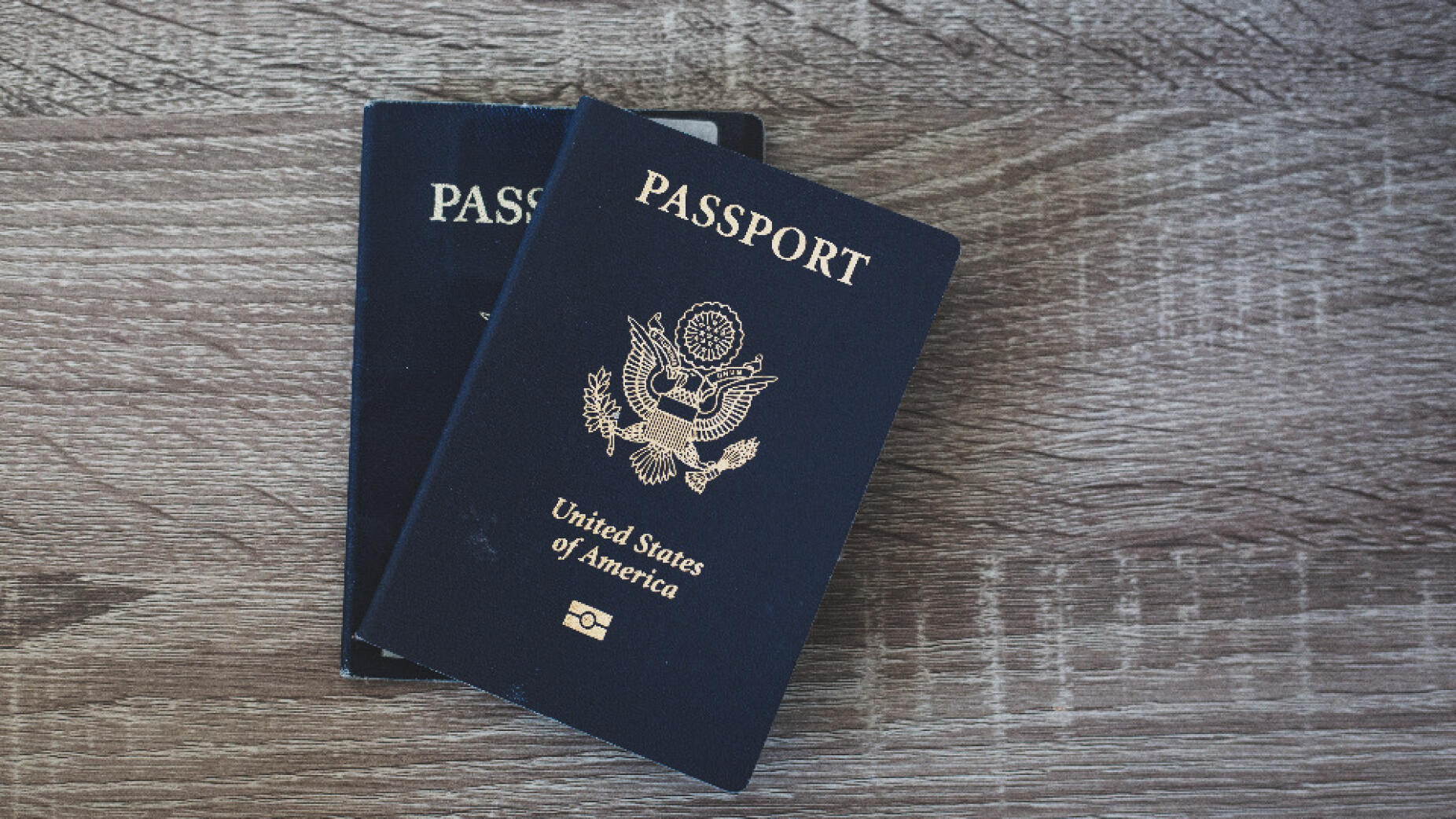
Many Edmonton families have international ties. A couple may have married in another country, moved to Alberta years later, and built their life here. When the marriage ends, one of the first questions is practical: do we have to go back to the country where we married to get divorced?
In many cases, the answer is no. A marriage that took place outside Canada can often be ended through an Alberta divorce, provided the legal requirements are met.
Canada generally recognizes valid foreign marriages
As a general rule, if a marriage was legally valid where it took place, Canada will usually recognize it. That means the spouses generally do not need to marry again in Canada, and they may be able to apply for a Canadian divorce if they meet the jurisdiction requirements.
There can be exceptions. Questions may arise if the marriage was not legally valid in the place where it occurred, if one person lacked capacity to marry, if a prior marriage had not been properly ended, or if the ceremony does not meet legal requirements. If there is any doubt, the validity of the marriage should be reviewed before the divorce is filed.
The key question is where you live now
For an Alberta divorce, the place of the wedding is usually less important than the spouses' connection to Alberta. Under the federal Divorce Act, a court in a province has jurisdiction over a divorce proceeding if either spouse has been habitually resident in that province for at least one year immediately before the proceeding begins.
In practical terms, if one spouse has been living in Alberta as their usual home for at least the required period, an Alberta divorce may be available even if the wedding happened elsewhere.
The grounds for divorce are the same
The grounds for divorce do not change because the marriage happened overseas. In most uncontested Canadian divorces, the ground is a one-year separation. Other grounds exist, but one-year separation is the most common path.
The country where the marriage took place does not create a separate divorce standard for an Alberta proceeding.
You still need to prove the marriage
The court needs evidence that a valid marriage exists. For a foreign marriage, this usually means providing an official marriage certificate or a certified copy from the authority that issued it.
This is often where delays happen. People may have a ceremonial document, a religious record, a family copy, or a certificate in another language, but the court may require more formal proof.
If the certificate is not in English
If the marriage certificate is in a language other than English, a proper translation will usually be needed. The translator may need to certify the translation, and additional formalities may be required depending on the document and court practice at the time.
This is one of the points that should be checked close to filing, because document and translation expectations can be procedural and may change over time.
If the certificate is hard to obtain
Sometimes a spouse cannot easily obtain an official certificate. Records may be held overseas, the issuing office may be difficult to contact, documents may have been lost, or conditions in the country may make retrieval difficult.
That does not always mean the divorce is impossible, but it can add steps. The issue should be raised early so the lawyer can determine what proof may be required and whether an alternative approach is available.
Parenting, support, and property are still dealt with here
A divorce only ends the legal marriage. It does not automatically resolve parenting, child support, spousal support, or division of property. Those issues still need to be addressed under the applicable Alberta and Canadian family law framework.
A foreign wedding does not usually place the family outside Alberta's family law system once the spouses are living here and the court has jurisdiction. The family may still need Alberta orders or agreements dealing with children, support, and property.
Practical steps before filing
- Confirm whether either spouse meets the one-year habitual residence requirement in Alberta.
- Locate the official marriage certificate or request a replacement.
- Arrange a certified translation if the certificate is not in English.
- Raise any concerns about validity, prior marriages, or missing documents early.
- Get advice on parenting, support, and property issues at the same time as the divorce.
FAQ: Alberta divorce after a foreign marriage
Do I have to divorce in the country where I married?
Not necessarily. If the Alberta court has jurisdiction and the marriage is recognized, you may be able to divorce in Alberta.
What if my spouse lives outside Canada?
An Alberta divorce may still be possible, but service, jurisdiction, and related family law issues can become more complex. Get advice before filing.
Is a religious marriage certificate enough?
It depends on whether it proves a legally valid marriage. A lawyer can review the document and confirm what the court is likely to require.
Practical takeaway
If you married abroad and now live in Alberta, you may not need to return to the country of marriage to get divorced. The key issues are usually Alberta jurisdiction, recognition of the marriage, and proper documentation.
This article is general information only and is not legal advice. If your marriage took place outside Canada, speak with an Alberta family lawyer before filing so document issues can be addressed early.